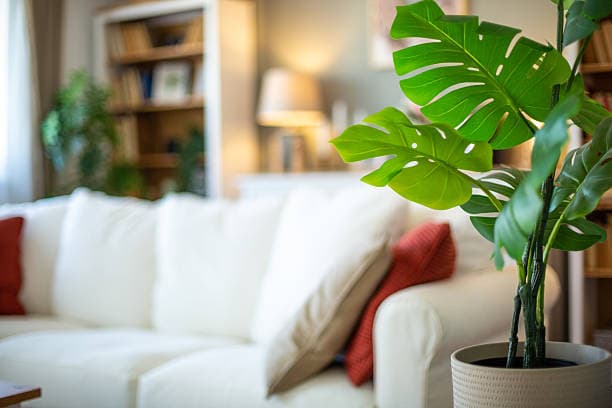
Creating Harmony in Your Living Room with Feng Shui
Your living room is where you relax, entertain guests, and spend quality time with family. Applying Feng Shui principles to this central space can enhance comfort, promote conversation, and create a welcoming atmosphere that benefits everyone who enters.
Furniture Arrangement for Flow
The way you arrange furniture determines how energy moves through your living room:
- Create conversation areas with seating facing each other
- Avoid blocking pathways with furniture
- Ensure everyone has a clear view of the main entrance
- Leave space for energy to circulate freely around furniture
The Sofa's Command Position
Your main seating should follow command position principles:
- Place the sofa against a solid wall for support
- Position it where you can see the main entrance
- Avoid placing the sofa in the direct path of the door
- Ensure the sofa doesn't float in the middle of the room
Balancing the Five Elements
A harmonious living room incorporates all five elements:
- Wood: Wooden furniture, plants, green colors
- Fire: Fireplace, candles, triangular shapes, red accents
- Earth: Square or rectangular furniture, earth tones, ceramics
- Metal: Metal frames, white/gray colors, round shapes
- Water: Mirrors, dark colors, wavy patterns, actual water features
Color Psychology for Relaxation
Living room colors should promote comfort and social interaction:
- Warm neutrals: Beige, cream, soft brown create coziness
- Soft blues: Promote calm and peaceful conversation
- Green tones: Connect to nature and promote healing
- Warm yellows: Encourage happiness and mental clarity
- Avoid too much red: Can create excessive stimulation
Lighting for Different Moods
Flexible lighting supports various activities:
- Layer different types of lighting (ambient, task, accent)
- Use dimmer switches for adjustable ambiance
- Incorporate natural light whenever possible
- Add table lamps and floor lamps for warm, inviting glow
Art and Decor Selection
What you display affects the room's energy:
- Choose art that makes you feel happy and inspired
- Display family photos to strengthen relationships
- Use pairs of decorative objects for balance
- Avoid art depicting violence, loneliness, or sadness
Plants and Natural Elements
Living plants bring vital energy and improve air quality:
- Choose plants that thrive in your light conditions
- Place larger plants in corners to soften sharp angles
- Use plants to fill empty or stagnant energy areas
- Consider low-maintenance options like snake plants or pothos
Electronics and Technology
Modern living rooms often include entertainment systems:
- Hide or minimize visible wires and cables
- Turn off devices when not in use to reduce EMF
- Position TV so it doesn't dominate the room's energy
- Create tech-free zones for conversation and relaxation
Storage and Organization
Clutter blocks energy flow and creates stress:
- Use closed storage to hide everyday items
- Keep surfaces clean and organized
- Regularly declutter books, magazines, and decorations
- Ensure storage solutions match your decor style
Creating Conversation Areas
Living rooms should facilitate social interaction:
- Arrange seating in circles or U-shapes when possible
- Provide side tables within reach of seating
- Ensure adequate space between furniture pieces
- Consider the room's acoustics for comfortable conversation
Mirror Placement Strategy
Mirrors can enhance or disrupt living room energy:
- Use mirrors to reflect beautiful views or artwork
- Avoid mirrors that reflect cluttered or unattractive areas
- Position mirrors to make small spaces feel larger
- Don't place mirrors directly opposite the main entrance
Seasonal Energy Updates
Keep your living room energy fresh and current:
- Change decorative accents with the seasons
- Rotate artwork and decorative objects periodically
- Add seasonal plants or flowers
- Adjust lighting for seasonal mood changes
The Coffee Table Connection
Your coffee table serves as the room's energy center:
- Keep it proportional to your seating
- Maintain some clear space on its surface
- Use it to display beautiful books or decorative objects
- Ensure it doesn't block the flow between seating areas
Creating Zones for Different Activities
Large living rooms benefit from defined areas:
- Create a reading nook with comfortable chair and good lighting
- Designate a music or entertainment area
- Set up a meditation or quiet reflection space
- Use area rugs to define different zones
Conclusion
Your living room sets the tone for your entire home. By applying these Feng Shui principles, you create a space that welcomes positive energy, supports relaxation, and encourages meaningful connections with family and friends. Remember, the best living room is one that reflects your personality while maintaining harmonious energy flow.
Tags
Share this article
Help others discover these Feng Shui insights